Medical Equipment and Its Importance in Preventive Healthcare
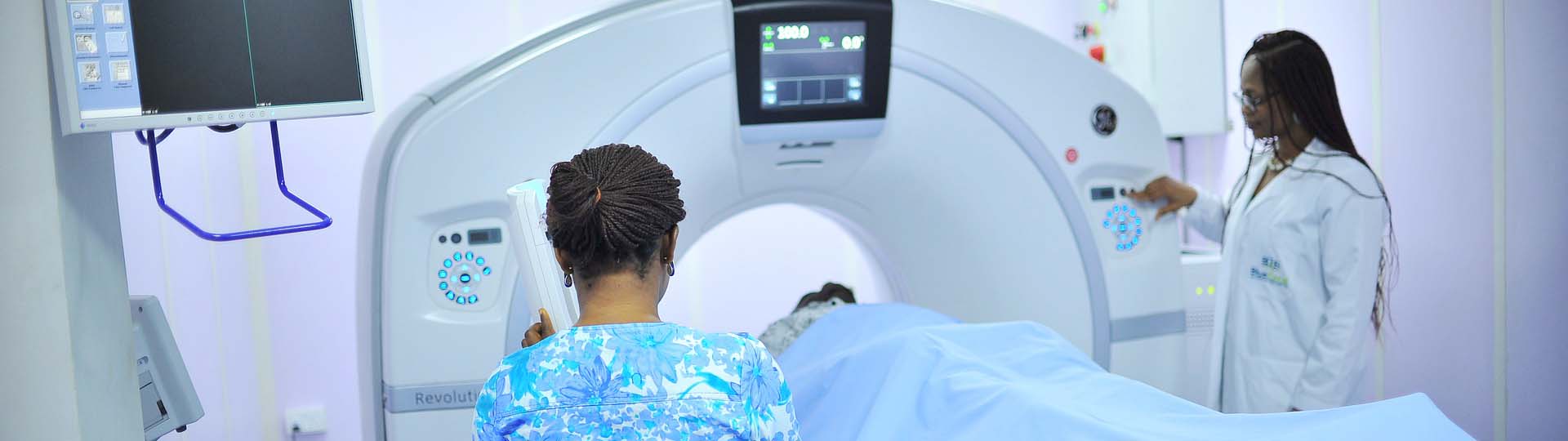
Medical equipment plays an increasingly important role in preventive healthcare, which focuses on preventing diseases before they become serious. Rather than treating illnesses only after symptoms appear, preventive healthcare emphasizes early detection, regular monitoring, and lifestyle management. Medical equipment provides the tools needed to support this proactive approach and improve long-term health outcomes.
One of the key contributions of medical equipment to preventive healthcare is early detection. Screening devices such as blood pressure monitors, blood glucose meters, cholesterol testing machines, and imaging systems help identify potential health risks at an early stage. Early detection allows individuals to take corrective measures, such as lifestyle changes or medical interventions, before conditions worsen. This approach reduces the likelihood of complications and lowers healthcare costs over time.
Routine health checkups rely heavily on medical equipment. Tools such as stethoscopes, thermometers, ECG machines, and laboratory testing devices provide objective health data that cannot be obtained through observation alone. These measurements help healthcare professionals assess overall health, detect abnormalities, and track changes over time. Consistent monitoring is especially valuable for individuals with a family history of chronic diseases. For more info about it, you can check flat panel detector supplier in guangzhou.
Medical equipment also supports community-based preventive care. Mobile health units equipped with portable diagnostic devices can deliver screening services to schools, workplaces, and remote communities. This outreach increases awareness and encourages people to participate in regular health assessments. By bringing medical equipment closer to the population, preventive healthcare becomes more accessible and inclusive.
Wearable and digital medical devices have further expanded the scope of preventive care. Fitness trackers, smart watches, and home monitoring devices allow individuals to track physical activity, heart rate, sleep patterns, and other health indicators. These tools promote self-awareness and motivate healthier lifestyle choices. When connected to healthcare systems, wearable devices enable early medical intervention based on real-time data.
The effectiveness of preventive medical equipment depends on accuracy and reliability. Devices must meet quality standards and be used correctly to provide meaningful results. Education and training help both healthcare providers and individuals understand how to use equipment properly and interpret data responsibly.
Preventive healthcare also reduces pressure on hospitals and emergency services. By identifying health risks early, medical equipment helps prevent serious illnesses that require costly and intensive treatment. This shift benefits both patients and healthcare systems by promoting sustainability and efficiency.
In conclusion, medical equipment is a cornerstone of preventive healthcare. By enabling early detection, regular monitoring, and health awareness, medical equipment supports a proactive approach to wellness. As technology continues to advance, preventive medical equipment will play an even greater role in building healthier communities and improving quality of life.